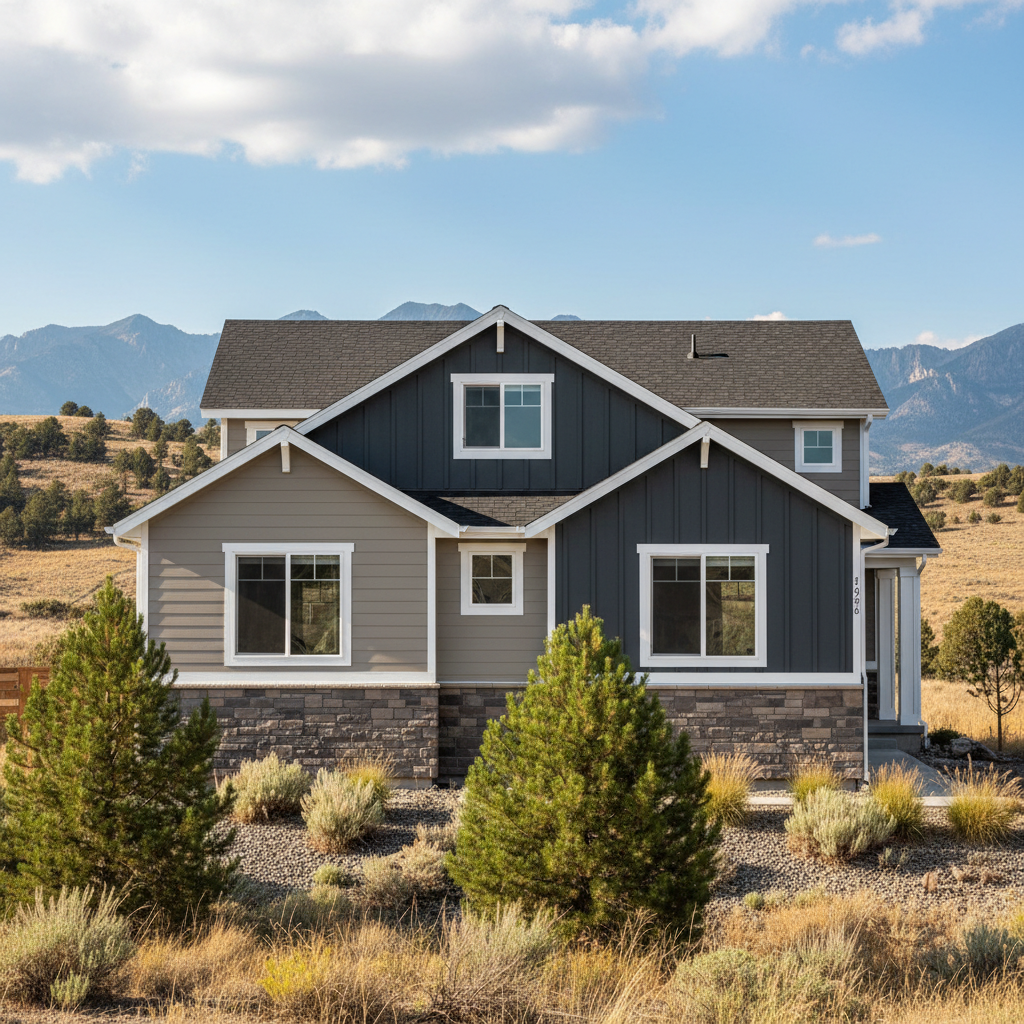
You're thinking about new siding, and James Hardie has caught your eye. Good choice. It's an excellent product, especially for Utah's wild weather – those scorching summers and icy winters really put materials to the test. But picking Hardie is just the beginning. I've seen plenty of folks in Layton stumble over some pretty common mistakes when they're planning or hiring for these projects, and honestly, those missteps can turn what should be a great investment into a real nightmare. So, let's talk about what to steer clear of.
Mistake #1: Not Really Checking Your Contractor's Hardie Experience
This is a huge one, maybe the biggest. Just because a contractor says they install siding doesn't automatically make them a James Hardie expert. Hardie Board isn't like vinyl, or even wood for that matter. It's a fiber cement product, and it has its own specific installation rules. You can't just slap it up any old way, you know? There are exact clearances, flashing details, and fastening schedules they have to follow precisely. If they don't, you'll void the warranty and, believe me, you'll have problems down the road.
I've personally seen jobs where crews used the wrong nails, didn't leave proper gaps, or cut corners on flashing around windows. These issues might not pop up right away, but give it a year or two – especially after a few freeze-thaw cycles – and you'll start seeing cracks, water getting in, or paint peeling. Always ask for proof of Hardie certification or tons of experience. Ask for references from recent Hardie jobs they've done. If they can't show you, just walk away. It's simply not worth the risk.
Mistake #2: Only Looking at the Cheapest Price
Listen, I get it. Money talks. Everyone wants a good deal. But when it comes to James Hardie siding, the lowest bid is almost never the best one. A super low price usually means one of two things: either the contractor is skimping on materials (using cheaper house wrap, less durable caulk, or inferior trim) or they're cutting corners on labor (rushing the job, using inexperienced crews, or skipping crucial installation steps).
Think about it for a second. Quality Hardie installation takes time, skill, and a sharp eye for detail. A reputable contractor pays their crew fairly, carries proper insurance, and uses the right tools and accessories. All that costs money. If a bid seems too good to be true, it probably is. You're putting money into a product that's supposed to last decades; don't mess up that longevity just to save a few hundred bucks upfront. You'll end up paying for it ten times over later.
Mistake #3: Forgetting How Important Good Prep Work Is
A beautiful Hardie exterior really starts with what's underneath. I'm talking about the house wrap, flashing, and sheathing. Here in Layton, especially in some of those older neighborhoods with mature trees and varying soil conditions, we see a lot of homes that might have settled a bit or had minor water issues over the years. If your contractor just rips off the old siding and slaps on new Hardie without checking and fixing any underlying problems, you're just setting yourself up for failure.
We always take the time to check the sheathing for rot or damage, make sure proper drainage planes are in place, and install high-quality house wrap that's taped correctly. This isn't just about keeping water out; it's about making a solid, stable surface for the Hardie to go on. Skipping these steps is like building a house on a shaky foundation. It's a recipe for disaster.
Mistake #4: Not Really Understanding Everything the Project Involves
Sometimes homeowners get so focused on the siding itself that they completely forget about the other parts that make an exterior look finished and work well. Are they replacing all the trim? What about the soffits and fascia? Will they be painting the new Hardie, or are you getting pre-finished boards? What kind of caulk are they using? Is it a high-grade, paintable, flexible caulk that will actually stand up to our climate?
Make sure your contract is detailed and spells out every single item. Don't just assume anything. If it's not written down, it's not part of the deal. At Paradise Siding Co, we make sure every detail is clear so there are no surprises. You want to know exactly what you're getting, from the type of fasteners to how they'll clean up the site.
Mistake #5: Forgetting About Permits and Local Codes
This one might seem minor, but oh, it can cause some big headaches. Depending on how big your siding project is, you might need a permit from Layton City. A good contractor will know this and handle the permit process for you. If they don't even bring up permits, that's a definite red flag. It could mean they don't know the local rules or, even worse, they're trying to skirt them.
Permits ensure the work gets inspected and meets local building codes, which is really for your own protection. Don't let a contractor talk you out of getting one if it's required. It's a small step that can save you from potential fines or having to redo work later on.
Choosing James Hardie siding is a smart move for your Layton home. Just make sure you're making equally smart decisions about who installs it and how they manage the project. Do your homework, ask the tough questions, and don't settle for anything less than a qualified, reputable professional.