Alright, let's talk insulation. You're probably feeling those drafts, or maybe your energy bills are just plain ugly. You're wondering if you can just grab some batts and go to town, right? Well, sometimes you can, and sometimes, you really shouldn't. As a local contractor who's seen a lot of homes around Layton, I want to give you the straight scoop on what you can realistically do yourself and when it's time to pick up the phone.
Before You Even Think About Insulating
First things first, you gotta know what you're dealing with. Where's the cold air coming from? Is it your attic, your walls, your crawl space, or maybe even your rim joists down in the basement? A lot of folks jump straight to the attic, and while that's often a big culprit, it's not always the only one. You need to do a little detective work.
- Energy Audit: This sounds fancy, but you can do a basic one yourself. On a windy day, walk around your house, both inside and out. Feel for drafts around windows, doors, electrical outlets, and where pipes go into walls. Use an incense stick or a lit candle; if the smoke or flame flickers, you've got a leak.
- Check Existing Insulation: Head up to your attic. What's actually there? Is it old, flattened, or full of critter droppings? Measure its depth. Here in Layton, with our hot summers and cold winters, you're generally looking for at least 15-20 inches of blown-in insulation in the attic, which translates to an R-value of R-49 to R-60. If you've got less than that, well, there's definitely room for improvement.
- Safety First: Before you go poking around, make sure you know where your electrical wires are. Wear a good quality respirator, gloves, and eye protection, especially if you're dealing with old, dusty insulation. You really don't want to breathe that stuff in.
What You Can Probably DIY
Okay, so you've done your homework. Here's where you can roll up your sleeves and save some money.
- Attic Top-Up (Blown-In): If you already have some insulation and just need to add more, renting a blown-in insulation machine from a big box store is totally doable. They're usually free with a certain amount of insulation purchase. It's dusty, it's hot (or cold), and it's a bit of a workout, but it's not rocket science. Just make sure you don't block any soffit vents – you need that airflow to prevent moisture issues, after all. We see a lot of older homes in the East Layton bench area that could really benefit from an attic top-up.
- Sealing Air Leaks: This is huge, and it's 100% DIY. Grab some caulk and expanding foam (the low-expansion kind for around windows and doors). Seal around electrical outlets, light fixtures, plumbing penetrations, and any gaps you found during your audit. This is often the most cost-effective way to make your home more comfortable.
- Weatherstripping: Easy peasy. Replace old, cracked weatherstripping around doors and windows. It makes a noticeable difference.
When to Call a Pro (Like Paradise Siding Co.)
There are definitely times when trying to DIY insulation can lead to bigger headaches or just not get you the results you want. This is where a professional, like us at Paradise Siding Co., comes in handy.
- Wall Insulation: If your walls are hollow and you're looking to add insulation there, that's a job for the pros. We're talking about drilling holes, blowing in dense-pack cellulose or foam, and then patching it all up. It's precise work that needs specialized equipment. You don't want to mess up your drywall or create voids that won't insulate properly.
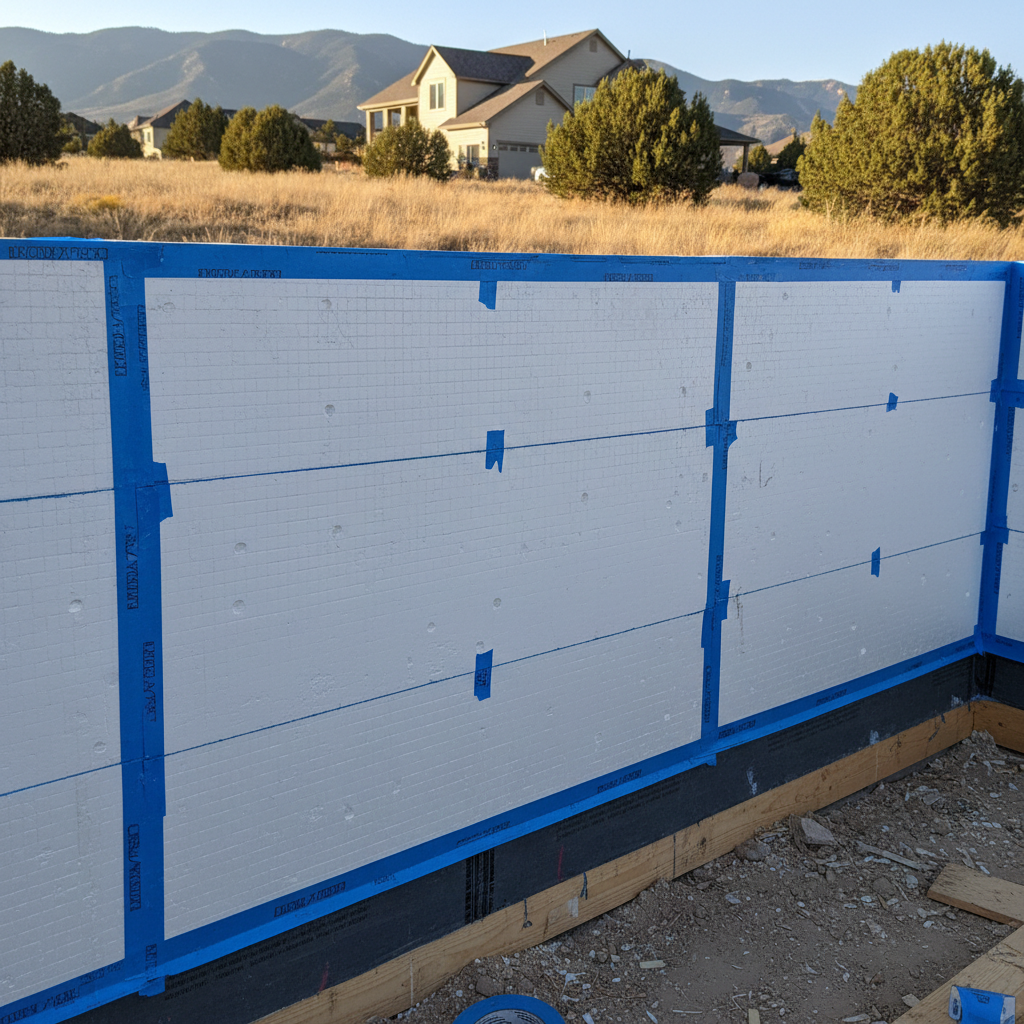
- Crawl Spaces and Basements: These areas can be tricky. Moisture management is key. If you're dealing with a damp crawl space, you might need a vapor barrier, rigid foam insulation, and proper sealing. This isn't just about throwing down some batts; it's about creating a healthy, dry environment.
- Full Attic Clean-Out and Re-Insulation: If your attic insulation is severely contaminated (think rodent infestations or mold), you'll want a professional to safely remove it and then re-insulate. That old stuff can be a health hazard.
- Spray Foam Insulation: This is a fantastic product for sealing and insulating, but it requires specialized training and equipment. It expands rapidly and can get everywhere if not applied correctly. Leave this to the experts.
- Diagnosing Complex Issues: Sometimes, the problem isn't obvious. If you've tried the easy fixes and still have comfort issues, a professional can do a more in-depth energy audit with thermal cameras and blower door tests to pinpoint exactly where your home is losing energy.
After the Project's Done
Whether you did it yourself or hired us, don't just forget about it. Keep an eye on your energy bills. You should see a noticeable drop. Also, pay attention to comfort. Are those cold spots gone? Is your furnace running less often? If not, something might still be off.
Regularly check your attic for any signs of moisture or new pest activity. Good insulation is an investment, and like any investment, you want to make sure it's performing as it should. Don't be afraid to reach out if you've got questions or if you're not sure where to start. We're here to help our Layton neighbors stay comfortable.