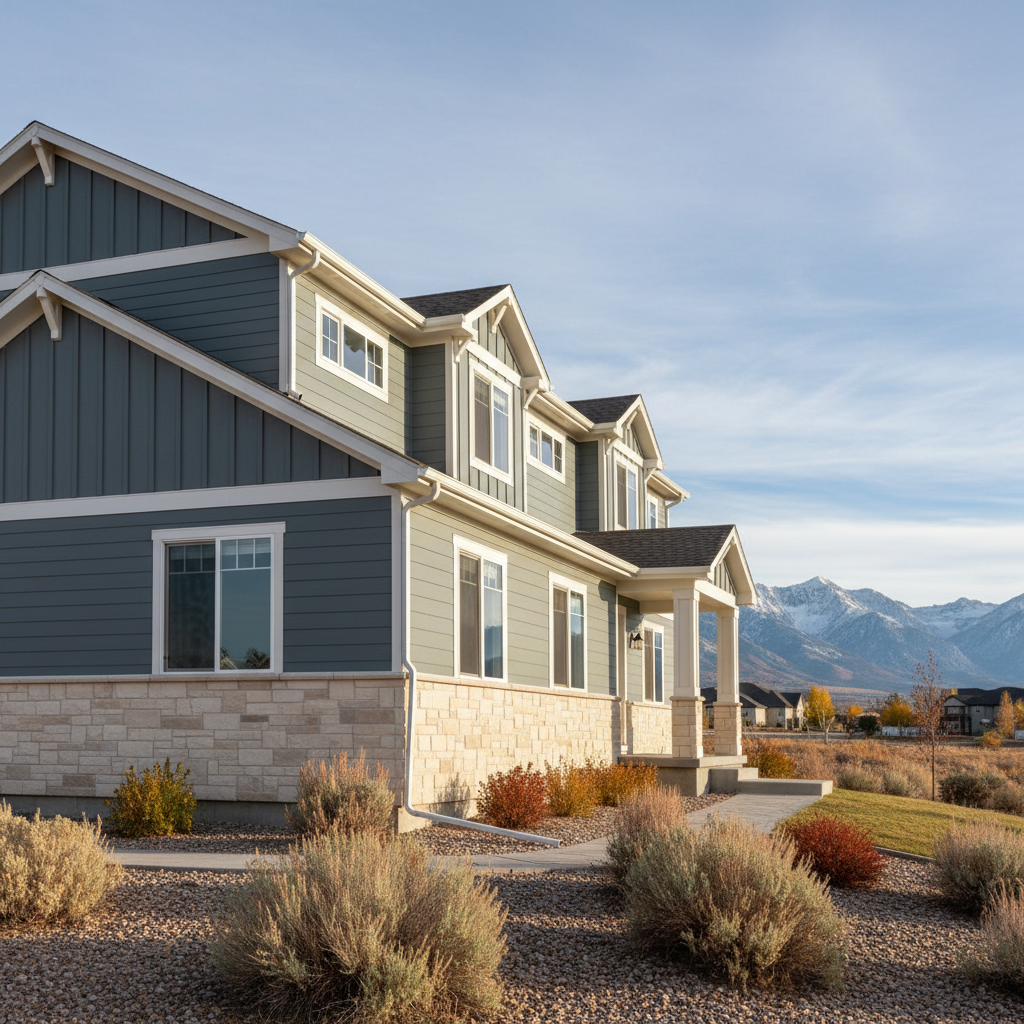
When's the best time to get new siding put on your house here in Layton? That's a question I get a lot, and it's a good one. Our weather isn't exactly predictable, is it? One day it's sunny and 70, the next it's snowing, even in April. This kind of climate really impacts when and how we can do a good job on your siding.
Timing Your Siding Project: It's Not Just About Temperature
Most folks think winter is a no-go for siding, and while it's definitely tougher, it's not always impossible. The real problem isn't just cold; it's moisture and those crazy temperature swings. Here in Layton, we get those wild shifts pretty often, especially in the spring and fall. These big swings can make materials expand and contract too much during installation, which can lead to problems down the road. That's why we're always paying close attention to the forecast.
Generally, I'd say late spring, summer, and early fall are your prime windows. The temperatures are usually more stable, and we have longer daylight hours. This means we can work efficiently and ensure everything sets up right. But even then, you've got to watch out for those afternoon thunderstorms that pop up in July and August. We've had jobs in the East Bench neighborhoods where a sudden downpour can really slow things down or force us to stop for the day to protect materials. Sometimes, you just can't fight Mother Nature.
Weather Conditions That Affect Siding Work
Let's break down what weather really means for your siding project:
- Rain and Snow: This is a big one. You can't install siding on wet sheathing. It traps moisture, and that's a recipe for mold, rot, and other headaches. If it's raining or snowing, we're not putting up siding. Period. We'll protect what's already installed and wait for it to dry out.
- Extreme Cold: Vinyl siding, for instance, gets brittle in really cold temperatures. Try to nail it when it's super cold, and it'll crack. Fiber cement siding can also be harder to cut and handle. Plus, adhesives and sealants don't cure properly when it's freezing. We generally prefer to work when temperatures are consistently above freezing, ideally 40 degrees Fahrenheit or warmer.
- High Winds: Layton can get some serious gusts, especially coming off the mountains. High winds make it dangerous for our crew, especially when they're up on ladders or scaffolding. It also makes it tough to handle large sheets of siding safely and accurately.
- Extreme Heat: While less common for stopping work, really hot days can make materials expand. If you install siding when it's super hot and it cools down significantly, you can end up with gaps. We know how to account for this expansion and contraction, but it's something we're always mindful of.
Paradise Siding Co. always puts safety and quality first. If the weather isn't cooperating, we'll communicate with you about any necessary delays. We'd rather take an extra day than rush and compromise the integrity of your new siding.
Protecting Your Investment Year-Round
Once your beautiful new siding is up, you want it to last, right? Here are a few things you can do to keep it looking great and performing its best, no matter what our Utah seasons throw at it:
- Keep it Clean: A simple wash with a garden hose and a soft brush once a year can do wonders. Get rid of dirt, pollen, and any mildew that might start to form, especially on the north-facing sides of your home that get less sun.
- Watch for Water: Make sure your gutters are clean and directing water away from your foundation and siding. Overflowing gutters can cause water to run down your siding, leading to streaks and potential moisture issues behind the panels. Also, check your sprinkler heads – make sure they aren't constantly spraying your house.
- Trim Those Trees and Shrubs: Keep vegetation trimmed back from your house. Branches rubbing against siding can cause wear and tear, and dense bushes can trap moisture against the material, which isn't good for any type of siding.
- Do a Quick Inspection: After a big storm or at the change of seasons, take a walk around your house. Look for any loose panels, cracks, or dings. Catching small issues early can prevent them from becoming big, expensive problems.
Your home is a big investment, and your siding plays a huge role in protecting it. By understanding how our local Layton climate affects installation and by taking a few simple steps for maintenance, you'll ensure your siding stands strong for years to come. If you ever have questions or notice something that doesn't look right, don't hesitate to give us a call at Paradise Siding Co. We're always here to help our neighbors.