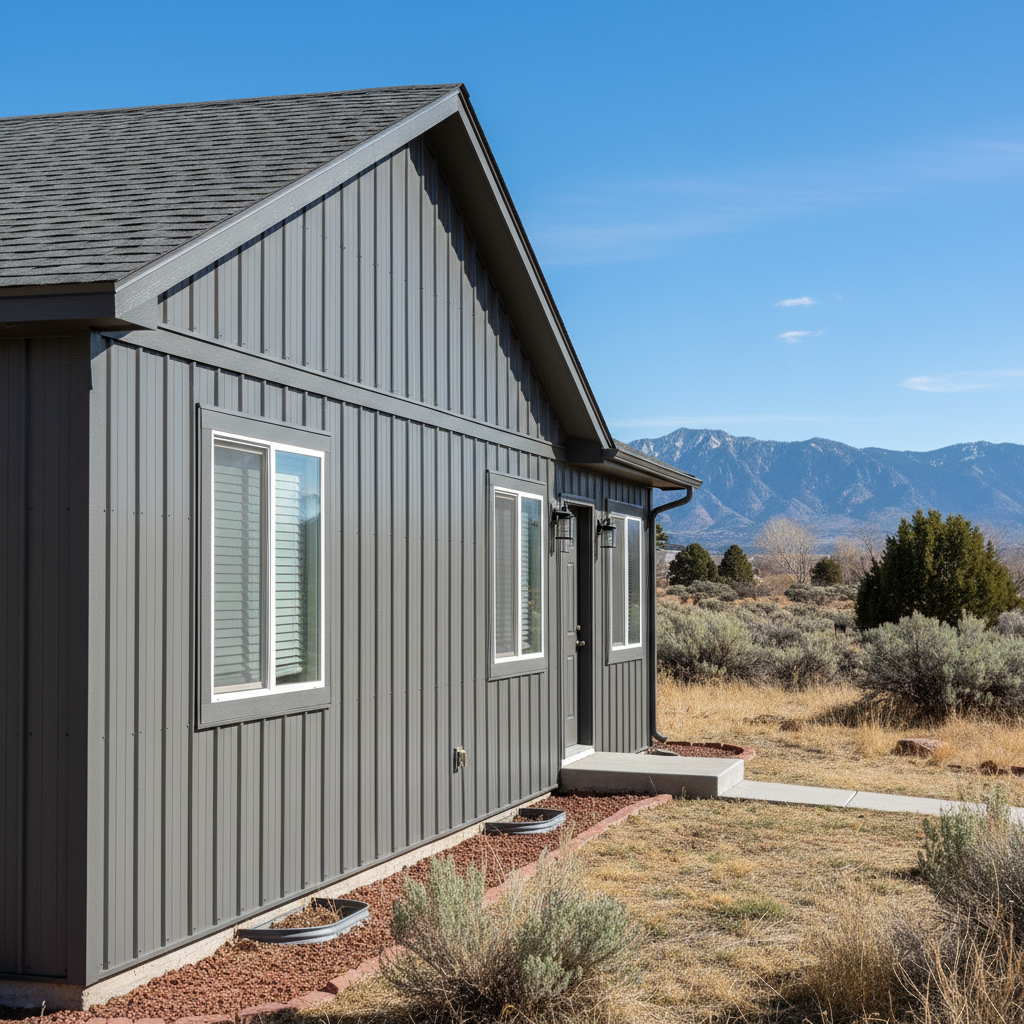
Thinking Metal Siding? Let's Talk Dollars and Cents.
Alright, so you're looking at metal siding for your home right here in Layton. Honestly, that's a smart move. It's tough, looks sharp, and can really stand up to our crazy weather – those scorching summers and icy winters we get. But let's be real, the first thing on everyone's mind is usually, "How much is this actually going to cost me?" You won't find any vague "it depends" answers from me. I'm going to give you some actual numbers based on what I see day in and day out.
First off, forget those national averages you might find online. They just don't account for our local labor costs, what materials are available here, or even the specific challenges of working on homes around Layton. Think about it: the older brick ranches near Hill Air Force Base are different from the newer builds up by the mountains that might need special scaffolding.
What Drives the Price Tag on Metal Siding?
A few big things really push the cost up or down, you know? You gotta understand these before you even start getting quotes.
- Material Type: This is a big one. You've got steel, aluminum, and then some more specialized options like copper or zinc (though, let's be honest, those are pretty rare for residential siding around here). Steel is generally the most common and affordable, then aluminum. Aluminum is lighter, won't rust, but can dent easier. Steel is super tough, but needs good coatings to prevent rust.
- Gauge (Thickness): Just like with anything else, thicker metal costs more. A 29-gauge steel panel is thinner and cheaper than a 26-gauge panel. Thicker gauges offer better dent resistance and can look flatter on larger walls.
- Panel Style and Finish: You've got your traditional corrugated panels, standing seam, board and batten, even insulated metal panels. Each style has different manufacturing processes and installation complexities. Then there's the finish – painted, Kynar coatings (super durable, but pricier), or even textured finishes. More complex profiles and premium finishes mean higher costs.
- Home Size and Complexity: This one's a no-brainer. A small, single-story ranch is going to be cheaper than a big two-story with lots of gables, dormers, and bump-outs. Every corner, every window, every door means more cutting, more flashing, and more labor.
- Existing Siding Removal: Are we tearing off old vinyl or wood siding? That's an added cost for labor and disposal. If your old siding has lead paint or asbestos, that's a whole different ballgame and a much higher disposal fee.
- Labor Costs: This varies by contractor, but generally, skilled metal siding installers aren't cheap. It's precise work, and it takes time to do it right.
So, What's the Actual Cost Range in Layton?
Alright, let's get down to brass tacks. For a typical 1,500 to 2,000 square foot home in Layton, you're generally looking at a range of $12 to $25 per square foot for installed metal siding. That includes materials, labor, and basic trim. Here's a breakdown:
- Basic Steel Siding (29-gauge, simple profile): You might see this closer to the $12-$16 per square foot mark. It's durable, but options for colors and styles might be a bit limited.
- Mid-Range Steel or Aluminum (26-gauge steel, or standard aluminum, more complex profiles like board and batten): This will likely fall into the $16-$20 per square foot range. You get better durability and more aesthetic options here.
- Premium Metal Siding (Heavier gauge steel, insulated panels, standing seam, or high-end finishes like Kynar): Expect to pay $20-$25+ per square foot. This is for top-tier performance and aesthetics, often with longer warranties.
So, for that 1,800 square foot home, you could be looking at anywhere from $21,600 to $45,000. That's a big spread, I know, but it really depends on the choices you make.
What Should a Good Quote Include?
When Paradise Siding Co. gives you a quote, we make sure it's crystal clear. Any reputable contractor should do the same. Here's what needs to be itemized:
- Material Costs: Specific type of metal, gauge, finish, and quantity.
- Labor Costs: Broken down by installation, removal of old siding (if applicable), and site prep.
- Permits: Yes, you'll need a permit from Layton City for this kind of work. Your contractor should handle this, and the cost should be in the quote.
- Flashing and Trim: All the necessary pieces around windows, doors, corners, and the foundation. Don't skimp here; it's crucial for water protection.
- Insulation/House Wrap: If you're upgrading your insulation or adding a new house wrap, that should be listed.
- Waste Disposal: The cost to haul away the old siding and any construction debris.
- Warranty Information: Both for the materials and the installation.
How to Avoid Overpaying for Metal Siding
Nobody wants to get ripped off, especially not on a big investment like new siding. Here's my advice:
- Get Multiple Quotes: Don't just go with the first guy. Get at least three detailed quotes. Compare apples to apples – make sure they're quoting the same materials and scope of work.
- Ask for References: A good contractor will have happy customers. Call them up, ask about their experience.
- Check Licenses and Insurance: Always, always, always verify that your contractor is licensed and insured. If they're not, you're taking a huge risk.
- Don't Chase the Lowest Bid: The cheapest bid is often cheap for a reason. Maybe they're using inferior materials, cutting corners on installation, or they're not insured. Quality work lasts, and it's worth paying a fair price for.
- Understand the Contract: Read every single line. If you don't understand something, ask. Don't sign until you're completely clear on what you're getting and what you're paying for.
- Ask About Hidden Costs: Specifically ask if there are any potential extra charges that aren't in the quote. Sometimes unforeseen issues come up once old siding is removed, like rotten sheathing. A good contractor will explain how they handle those situations.
Metal siding is a fantastic choice for homes here in Layton. It's durable, low maintenance, and can really boost your curb appeal and protection. Just make sure you go into it with open eyes about the costs and choose a contractor who's transparent and reliable. You'll be glad you did.