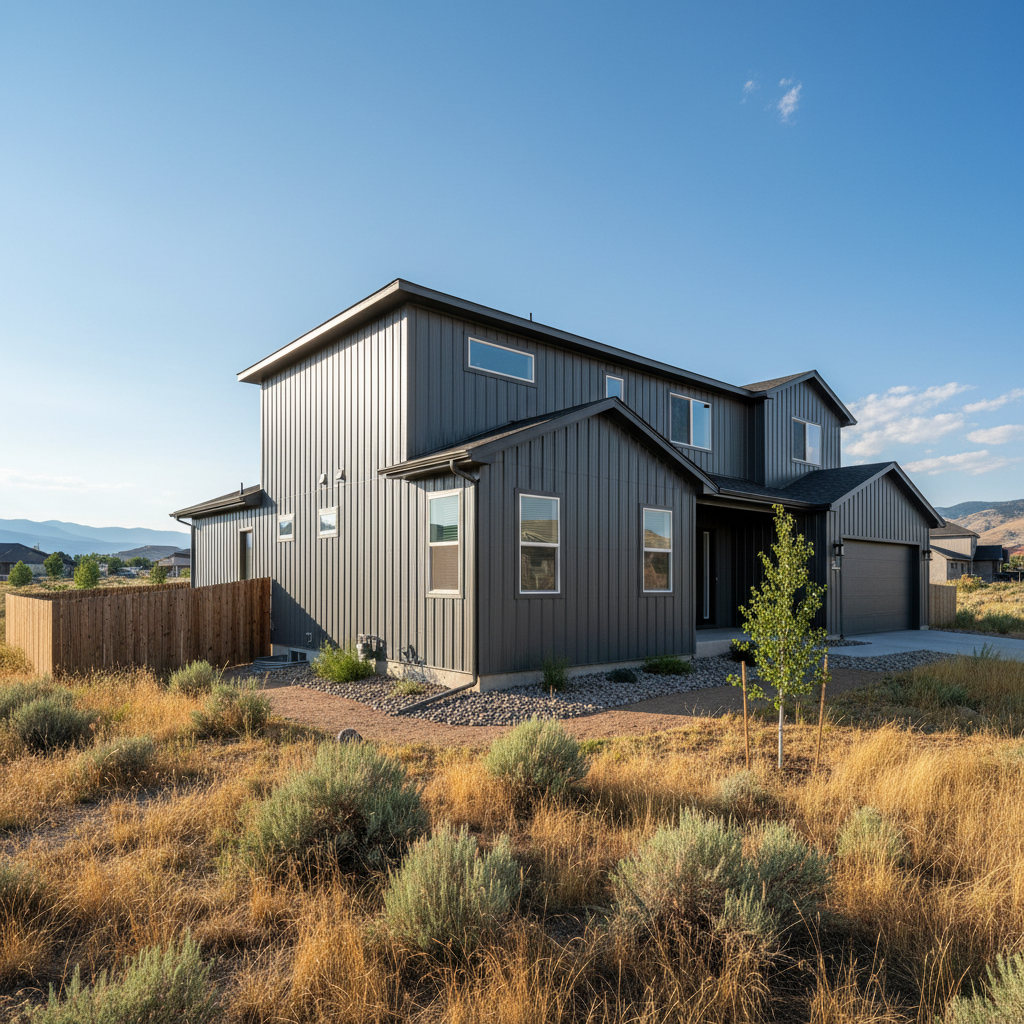
Alright, let's talk about metal siding. It's a fantastic choice for a lot of homes here in Layton, especially with our crazy weather swings. It's tough, looks sharp, and can really last. But I've seen folks make some real head-scratchers when they're planning a project or hiring someone to do the work. You don't want to end up with regret, so let's get into what you need to avoid.
Mistake #1: Not Understanding Your Metal Siding Options
People often think metal siding is just one thing. Nope, it's not. You've got steel, aluminum, different gauges, and various profiles like standing seam, corrugated, or even panels that mimic wood. Each has its pros and cons, and more importantly, its own price point and how it needs to be installed. For instance, a heavier gauge steel will stand up better to hail, which we definitely see here in Davis County, but it's also going to cost more and be harder to work with. Aluminum is lighter, easier to install, and won't rust, but it can dent more easily. Don't just ask for "metal siding"; ask your contractor to walk you through the specifics and explain why they recommend a certain type for your home's structure and your budget.
Mistake #2: Ignoring Proper Flashing and Trim Details
This is a big one, and it's where a lot of less experienced installers cut corners. Flashing is crucial for shedding water away from vulnerable areas like windows, doors, and rooflines. With metal siding, especially, you need to ensure all the trim pieces and flashing are installed perfectly to prevent water from getting in. If water gets behind your new siding, you're looking at rot, mold, and major headaches down the road. I've seen homes in the older parts of Layton, near the base of the mountains, where shoddy flashing led to significant structural damage. A good contractor, like us at Paradise Siding Co, pays close attention to these details because we know what happens when you don't. Ask about their flashing techniques and what materials they use.
Mistake #3: Forgetting About Proper Ventilation
Your siding isn't just a pretty face; it's part of your home's envelope. Proper ventilation behind the siding is essential, especially with metal. Without it, moisture can get trapped, leading to condensation issues, particularly with our cold winters and warm summers. This can compromise your home's insulation and lead to energy loss. A rainscreen system, which creates a small air gap between the siding and the wall, is often the best practice for metal siding. If your contractor doesn't bring up ventilation or rainscreen, that's a red flag. They might be planning a direct-to-sheathing install, which isn't always ideal for metal, you know?
Mistake #4: Choosing a Contractor Based Solely on the Lowest Bid
Look, I get it. Everyone wants a good deal. But when it comes to something as important as your home's exterior, the cheapest option is almost never the best. I've seen countless homeowners regret going with the lowest bid because the work was subpar, they used cheap materials, or they disappeared halfway through the job. You're not just paying for materials; you're paying for expertise, experience, and knowing the job will get done right. Get multiple bids, sure, but compare them on more than just price. Look at their reputation, their warranty, their insurance, and how thoroughly they explain their process. Ask for local references – people you can actually call up and talk to about their experience. A good contractor will be transparent about their costs and why they charge what they do.
Mistake #5: Not Getting Everything in Writing
This should be obvious, but you'd be surprised. A verbal agreement isn't worth the paper it's not written on. Your contract should clearly outline:
- The exact type and gauge of metal siding
- Specific colors and finishes
- All trim, flashing, and accessory materials
- The scope of work, including tear-off, disposal, and prep work
- Payment schedule
- Start and completion dates
- Warranty information for both materials and labor
- Proof of insurance and licensing
If it's not in the contract, assume it's not happening. Don't leave anything to chance. A detailed contract protects both you and the contractor and prevents misunderstandings down the line.
Getting new metal siding is a big investment, and it's one that should pay off for decades. By avoiding these common mistakes, you'll be well on your way to a successful project and a home that looks great and is well-protected.